Removal of atheromas, fibromas, lipomas and moles
Atheroma removal
Atheroma Removal – Polyclinic Belgrade. Surgical removal of atheromas and benign skin lesions performed by an experienced surgical team. Book your consultation!
Atheroma removal is a simple surgical procedure used to remove a subcutaneous lesion caused by the accumulation of contents within a sebaceous gland. Atheromas are usually harmless changes, but they can cause discomfort, increase in size over time, or lead to inflammation. The goal of the procedure is to completely remove the lesion together with its capsule in order to reduce the possibility of recurrence, while ensuring a precise surgical approach and achieving the most discreet aesthetic result possible.
What is atheroma removal?
An atheroma is a benign cyst that develops due to the blockage of the sebaceous gland duct, causing secretions to accumulate beneath the skin. They most commonly appear on the scalp, face, neck, or back. Although they are generally harmless, atheromas can become infected, inflamed, or simply cause aesthetic concerns. Surgical removal is the safest method for completely eliminating an atheroma, including its capsule, thereby reducing the possibility of recurrence in the same area. Our goal is to perform the procedure as effectively as possible while leaving minimal marks on the skin.
Pre- and Post-Operative Consultation
During the consultation, our surgeon confirms the diagnosis of an atheroma and evaluates its size, as well as the presence of any inflammation. If the atheroma is currently inflamed, the doctor will first treat the infection and calm the inflammation before performing the procedure. After removal, regular follow-up appointments allow us to monitor the healing process of the incision. Our care continues until the wound has fully stabilized and the scar becomes barely noticeable, providing you with a safe and comfortable recovery.
Preparing for Surgery
Preparation for atheroma removal is simple and does not require any laboratory tests if the patient is otherwise healthy. Before the procedure, the area is disinfected, and the surgeon provides instructions for post-operative skin care. The procedure is performed on an outpatient basis, meaning that you can return to your regular daily activities immediately after the intervention, while following basic recommendations for wound hygiene.
Type of Anesthesia
Atheroma removal is routinely performed under local anesthesia. The surgeon applies the anesthetic directly into the area surrounding the atheroma, ensuring complete numbness of the treated skin. You remain awake throughout the procedure and do not feel any pain. The anesthesia application is quick and well tolerated. This allows you to leave the clinic immediately after the procedure, without any side effects associated with general anesthesia.
The Surgical Procedure
The surgeon makes a careful incision above the atheroma, followed by precise dissection to remove the cyst together with its entire capsule—an essential step to prevent recurrence. After removal, the wound is closed with fine sutures that are strategically placed to achieve the best possible aesthetic result. The entire procedure usually takes between 15 and 30 minutes. Thanks to our surgical approach, scarring is minimized, and the procedure itself is highly comfortable for the patient.
Recovery After Surgery
Recovery is very quick. After the procedure, you receive instructions on wound dressing and maintaining cleanliness. Sutures are usually removed after 7 to 14 days, depending on the location where the atheroma was removed. During this period, we recommend avoiding excessive soaking of the wound and strenuous physical activity that may affect the treated area. The healing process is monitored by our medical team, ensuring that the skin returns to its natural, healthy condition without complications.
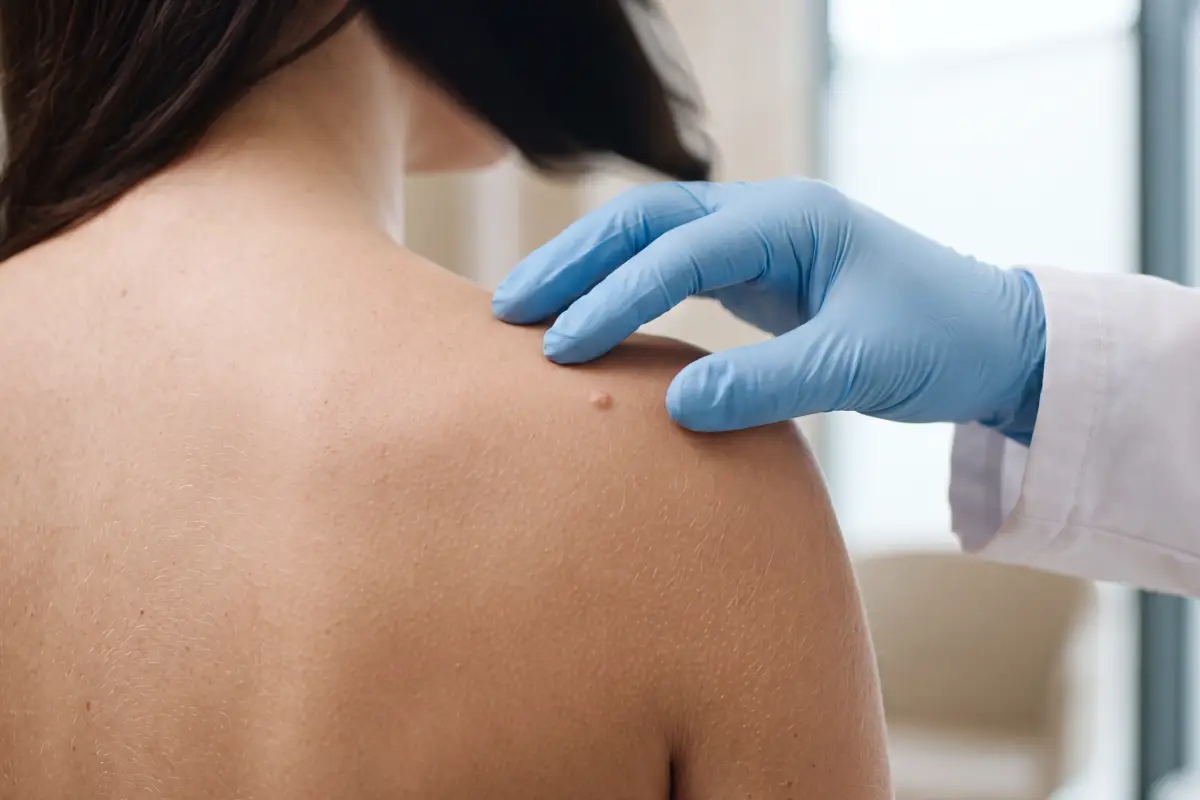
An atheroma is a benign cyst that develops due to the blockage of the sebaceous gland duct, causing secretions to accumulate beneath the skin. They most commonly appear on the scalp, face, neck, or back. Although they are generally harmless, atheromas can become infected, inflamed, or simply cause aesthetic concerns. Surgical removal is the safest method for completely eliminating an atheroma, including its capsule, thereby reducing the possibility of recurrence in the same area. Our goal is to perform the procedure as effectively as possible while leaving minimal marks on the skin.
Pre- and Post-Operative Consultation
During the consultation, our surgeon confirms the diagnosis of an atheroma and evaluates its size, as well as the presence of any inflammation. If the atheroma is currently inflamed, the doctor will first treat the infection and calm the inflammation before performing the procedure. After removal, regular follow-up appointments allow us to monitor the healing process of the incision. Our care continues until the wound has fully stabilized and the scar becomes barely noticeable, providing you with a safe and comfortable recovery.
Preparing for Surgery
Preparation for atheroma removal is simple and does not require any laboratory tests if the patient is otherwise healthy. Before the procedure, the area is disinfected, and the surgeon provides instructions for post-operative skin care. The procedure is performed on an outpatient basis, meaning that you can return to your regular daily activities immediately after the intervention, while following basic recommendations for wound hygiene.
Type of Anesthesia
Atheroma removal is routinely performed under local anesthesia. The surgeon applies the anesthetic directly into the area surrounding the atheroma, ensuring complete numbness of the treated skin. You remain awake throughout the procedure and do not feel any pain. The anesthesia application is quick and well tolerated. This allows you to leave the clinic immediately after the procedure, without any side effects associated with general anesthesia.
The Surgical Procedure
The surgeon makes a careful incision above the atheroma, followed by precise dissection to remove the cyst together with its entire capsule—an essential step to prevent recurrence. After removal, the wound is closed with fine sutures that are strategically placed to achieve the best possible aesthetic result. The entire procedure usually takes between 15 and 30 minutes. Thanks to our surgical approach, scarring is minimized, and the procedure itself is highly comfortable for the patient.
Recovery After Surgery
Recovery is very quick. After the procedure, you receive instructions on wound dressing and maintaining cleanliness. Sutures are usually removed after 7 to 14 days, depending on the location where the atheroma was removed. During this period, we recommend avoiding excessive soaking of the wound and strenuous physical activity that may affect the treated area. The healing process is monitored by our medical team, ensuring that the skin returns to its natural, healthy condition without complications.

Prices
Payment
Cash - directly before the procedure
Via a dinar or foreign-currency account
RIA, Western Union or MoneyGram
About us
Belgrade Polyclinic provides expert medical care in the field of plastic and aesthetic surgery, with extensive experience in treating various aesthetic and functional skin conditions. Atheroma removal is one of the procedures we perform using modern surgical methods, a precise approach, and careful planning of each intervention.
We provide our patients with complete support from the initial consultation through the end of the recovery period, offering clear information about the procedure, the recovery process, and expected results. Each atheroma removal procedure is tailored to the size, location, and characteristics of the lesion, as well as the individual needs of the patient. Our goal is to safely and effectively remove atheromas while preserving skin health and achieving the best possible aesthetic outcome.
Frequently Asked Questions
Surgical removal is the only way to permanently eliminate an atheroma together with its capsule. If an atheroma is only emptied (drained), the capsule remains beneath the skin, which almost certainly leads to the cyst forming again after some time. Complete excision eliminates the risk of recurrence and reduces the possibility of repeated infections.
Absolutely not. The procedure is performed under local anesthesia, which makes the treated area completely numb and insensitive to pain. During the procedure, you may only feel slight pressure while the surgeon is working, but once the anesthesia takes effect, the procedure is comfortable and easily tolerated by patients.
Every surgical procedure performed on the skin leaves a mark, but our incisions are designed to be as minimal as possible. Thanks to precise surgical techniques and high-quality suturing materials, the scar becomes very thin and almost linear after healing, gradually becoming nearly invisible over time and providing an excellent aesthetic result.
If the atheroma is currently in the acute inflammation phase (redness, swelling, pain), the inflammatory process must first be treated and brought under control with appropriate therapy (antibiotics or an incision for drainage). Once the inflammation has completely subsided, a planned surgical excision is performed to permanently remove the atheroma under stable skin conditions, ensuring the best possible outcome.
After the procedure, it is important to keep the wound dry and clean according to the instructions provided. Avoid strenuous physical activity that may cause excessive sweating around the wound area during the first few days, as well as direct sun exposure of the scar until it has fully matured, in order to achieve the best possible aesthetic result.
The procedure usually takes around 15–30 minutes, depending on the size and location of the atheroma.
Yes. In most cases, the patient can go home after a short period of rest and receive instructions for wound care.
You should not attempt to squeeze or puncture an atheroma yourself, as this can cause infection and make removal more difficult.
You should follow the surgeon’s instructions: keep the wound clean and dry as recommended, change the dressing if necessary, and contact your doctor if you notice increased redness, swelling, fever, or worsening pain.
Yes, the removed atheroma is often sent for histopathological examination to confirm the diagnosis and rule out other, less common skin changes. The results are usually available within several days to a few weeks, depending on the institution.
Why choose us?
Atheroma removal requires precision, experience, and a careful approach to ensure complete removal of the lesion while minimizing discomfort for the patient. At Belgrade Polyclinic, we take an individualized approach to every patient, with a detailed examination and procedure planning based on the characteristics of the atheroma and the condition of the surrounding tissue.
- Experienced specialist team: Our surgeons have extensive experience in removing atheromas and other benign skin lesions.
- Individualized procedure planning: Each intervention is tailored to the size, location, and specific characteristics of the lesion, as well as the patient’s individual needs.
- Modern surgical techniques: We apply proven methods that enable precise atheroma removal, a safe procedure, and successful recovery.
- Aesthetic results: The goal of the procedure is to remove the lesion while preserving the natural appearance of the skin and achieving the most discreet scar possible.
- Support throughout the entire process: We support our patients from the initial consultation, through the procedure, and until the completion of recovery.