











Anoscopy
6.000
RSD
Anoscopy | Polyclinic Belgrade
Anoscopy – Polyclinic Belgrade. Examination of the anal canal and lower part of the rectum by an experienced gastroenterologist. GREAT PRICE✓ Book your appointment!
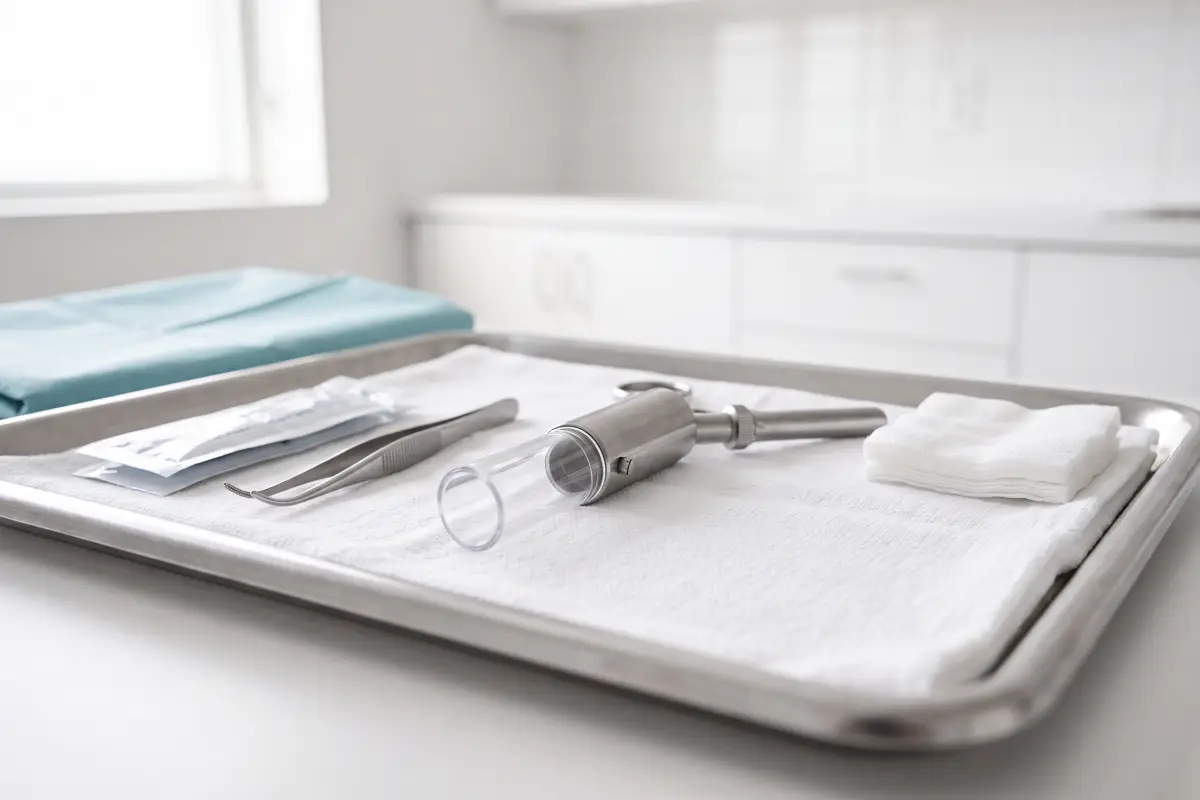
Anoscopy is a simple and safe proctological procedure that enables examination of the anal canal and the final section of the rectum using an instrument called an anoscope. The examination is used to detect haemorrhoids, fissures, inflammatory changes, polyps and other changes in the anal region.


Anoscopy is a short and simple proctological diagnostic procedure that enables an examination of the interior of the anal canal and the final part of the rectum using a special instrument called an anoscope. This instrument allows the physician to directly examine the mucosa and detect any changes that may be the cause of various complaints.
Anoscopy is a reliable method for diagnosing diseases of the final part of the digestive system and is often used in the assessment of changes such as hemorrhoids, anal fissures, inflammatory changes, polyps, bleeding, and other abnormalities in the anal region. The examination is quick, safe, and generally well tolerated.
During anoscopy, the physician can assess in detail the condition of the anal canal mucosa and, if necessary, may recommend additional examinations or appropriate treatment. Timely diagnosis enables early detection of changes and prevention of the development of more serious problems.
Anoscopy is most often recommended in cases of:
At Poliklinika Beograd, anoscopy is performed by experienced specialist physicians using modern diagnostic methods, with the aim of making the examination precise, safe, and tailored to the needs of every patient. After the examination, the physician explains the findings and provides recommendations for further treatment, follow-up examinations, or additional diagnostics if necessary.
Anoscopy is a short and simple proctological diagnostic procedure that enables an examination of the interior of the anal canal and the final part of the rectum using a special instrument called an anoscope. This instrument allows the physician to directly examine the mucosa and detect any changes that may be the cause of various complaints.
Anoscopy is a reliable method for diagnosing diseases of the final part of the digestive system and is often used in the assessment of changes such as hemorrhoids, anal fissures, inflammatory changes, polyps, bleeding, and other abnormalities in the anal region. The examination is quick, safe, and generally well tolerated.
During anoscopy, the physician can assess in detail the condition of the anal canal mucosa and, if necessary, may recommend additional examinations or appropriate treatment. Timely diagnosis enables early detection of changes and prevention of the development of more serious problems.
Anoscopy is most often recommended in cases of:
At Poliklinika Beograd, anoscopy is performed by experienced specialist physicians using modern diagnostic methods, with the aim of making the examination precise, safe, and tailored to the needs of every patient. After the examination, the physician explains the findings and provides recommendations for further treatment, follow-up examinations, or additional diagnostics if necessary.
Anoscopy is recommended when symptoms appear that may indicate changes in the anal canal and the terminal part of the rectum. This examination allows the physician to precisely assess the condition of the mucosa, determine the cause of the complaints, and choose an appropriate method of treatment.
The most common symptoms and reasons for performing anoscopy include:
At Poliklinika Beograd, specialist physicians carefully assess each patient's symptoms and, if necessary, recommend anoscopy as a reliable method for the early detection of changes and the timely treatment of complaints in the anal region.
Anoscopy

Cash - directly before the procedure
Via a dinar or foreign-currency account
RIA, Western Union or MoneyGram
For more than two decades, Poliklinika „Beograd“ has been providing expert medical care and support to patients across various fields of medicine. Since its founding in 2004, we have been committed to delivering high-quality healthcare services through modern diagnostics, expert examinations, and an individual approach to every patient.
Our team consists of experienced specialist physicians who apply modern methods in the diagnosis and treatment of diseases of the digestive system. Anoscopy enables a precise examination of the anal canal and the final part of the rectum, early detection of changes, and appropriate recommendations for further treatment and monitoring of the patient's health condition.
Anoscopy is a short and simple proctological diagnostic procedure that uses a special instrument – the anoscope – to examine the interior of the anal canal and the final section of the rectum. The examination allows the physician to directly assess the condition of the mucous membrane and to detect any changes that may be causing the complaints.
Anoscopy is recommended for symptoms such as bleeding from the anal area, pain, burning, itching, a feeling of discomfort, the appearance of hemorrhoids, a suspicion of anal fissures, polyps, or other changes in the final section of the digestive system.
During the examination, the physician carefully inserts the anoscope through the anal opening in order to examine the mucous membrane of the anal canal and the lower part of the rectum. The examination provides a clear view of any changes and helps the physician establish a precise diagnosis and recommend appropriate treatment.
Preparation for anoscopy is simple and depends on the physician's recommendation. In some cases it may be necessary to first empty the final section of the intestine so that the examination is of the highest possible quality. The patient receives detailed instructions before the procedure itself.
Anoscopy is generally well tolerated and takes a short time. The patient may feel mild discomfort or pressure during the examination, but the procedure is performed carefully so that any unpleasantness is kept to a minimum.
The examination itself usually takes only a few minutes. Once it is completed, the physician can immediately explain the findings and provide recommendations for further treatment, follow-up, or any additional examinations.
Anoscopy can reveal various changes in the anal canal, including internal hemorrhoids, anal fissures, inflammatory changes, polyps, sources of bleeding, and other changes in the mucous membrane.
If, during the examination, the physician notices a change that requires further analysis, additional procedures may be recommended, including taking a tissue sample (biopsy). The decision depends on the findings and the physician's assessment.
Anoscopy allows examination of the anal canal and the lowest part of the rectum, while rectoscopy allows a more detailed examination of a larger part of the final section of the large intestine. The physician determines the most suitable method depending on the symptoms and the diagnostic needs.
The need for follow-up examinations depends on the results of the examination, the changes present, and the patient's health condition. After anoscopy, the physician provides recommendations for further monitoring, therapy, or additional diagnostics if needed.
Choosing an expert healthcare institution is important for accurate diagnosis and timely treatment of complaints in the anal region and the final part of the digestive system. At Poliklinika Beograd, we provide expert proctological examinations, modern diagnostics, and an individual approach to every patient.
Our patients place their trust in us because of:
Would you like to book an appointment or consult with us? Contact us via Viber or WhatsApp 24/7.

The best aesthetic surgeons in Serbia and the region.
The most affordable surgery prices.



Links
Services
Services
Our partners
Prijatelji sajta