












Oncological ultrasound examination
6.000
RSD
Oncological Ultrasound Examination |
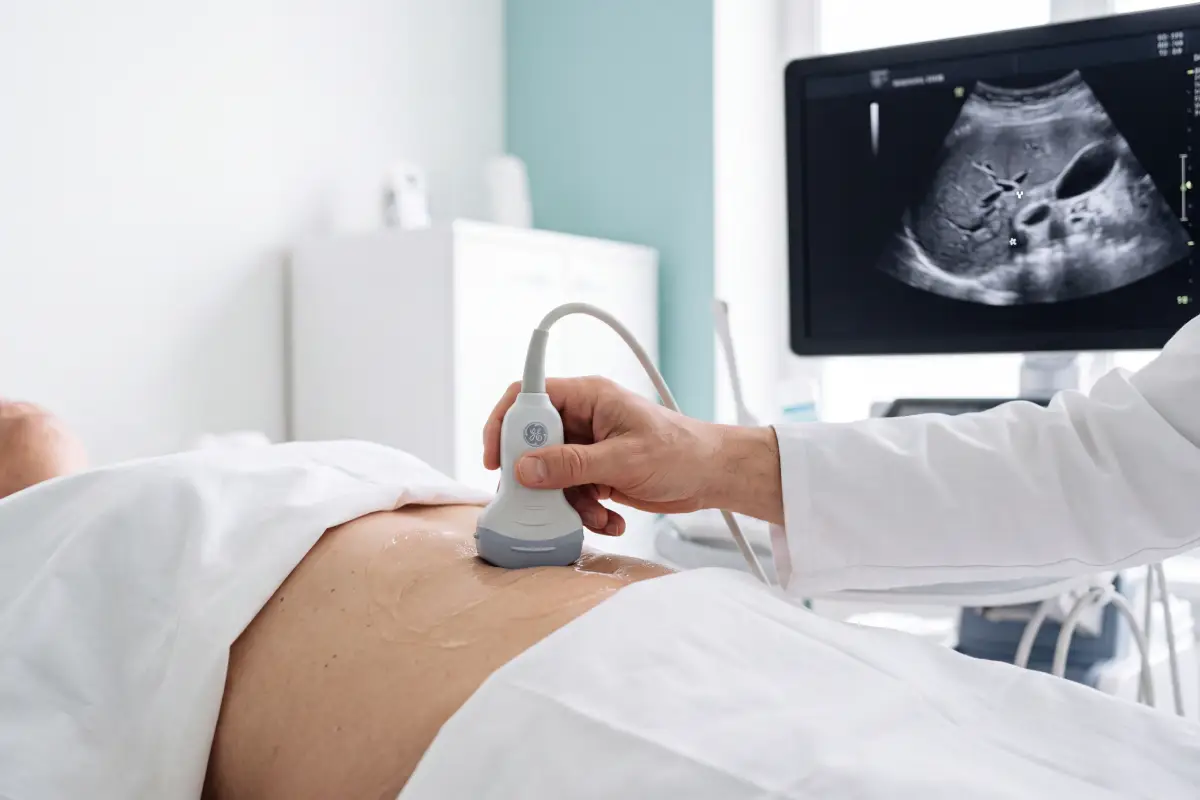
Oncological ultrasound examination - Polyclinic Belgrade. Ultrasound and monitoring of changes with an experienced oncologist. SUPER PRICE✓ Schedule an inspection!
An oncological ultrasound examination is a non-invasive diagnostic method that enables a detailed assessment of changes in tissues and organs. The examination is used to detect, monitor and follow up various changes, as well as to assess the effects of treatment in patients requiring oncological diagnostics. Ultrasound is a safe method performed without radiation and tailored to the needs of each patient.


Oncological ultrasound examination is a modern, non-invasive diagnostic method that enables a detailed view of the structure of organs and tissues, as well as the detection and monitoring of various changes that may require additional medical assessment. The examination is based on the use of ultrasound waves and allows the physician to assess the appearance, size, and characteristics of changes in the examined area.
During the oncological ultrasound examination, the physician analyzes the findings and assesses whether there are changes that require further monitoring, additional diagnostics, or consultation with other specialists. This method is often used as part of the diagnostic process, but also for monitoring the health condition of patients who require regular follow-up.
Ultrasound examination is safe, painless, and does not use ionizing radiation, which is why it can be applied in various situations when the physician assesses that there is a need. Depending on the symptoms and the patient's health condition, various organs and regions of the body can be examined.
Oncological ultrasound examination is most often used for:
At Poliklinika Beograd, the oncological ultrasound examination is performed by an expert team of physicians using modern diagnostic methods. The aim of the examination is an accurate assessment of the health condition, timely detection of changes, and appropriate recommendations for further steps.
Oncological ultrasound examination is a modern, non-invasive diagnostic method that enables a detailed view of the structure of organs and tissues, as well as the detection and monitoring of various changes that may require additional medical assessment. The examination is based on the use of ultrasound waves and allows the physician to assess the appearance, size, and characteristics of changes in the examined area.
During the oncological ultrasound examination, the physician analyzes the findings and assesses whether there are changes that require further monitoring, additional diagnostics, or consultation with other specialists. This method is often used as part of the diagnostic process, but also for monitoring the health condition of patients who require regular follow-up.
Ultrasound examination is safe, painless, and does not use ionizing radiation, which is why it can be applied in various situations when the physician assesses that there is a need. Depending on the symptoms and the patient's health condition, various organs and regions of the body can be examined.
Oncological ultrasound examination is most often used for:
At Poliklinika Beograd, the oncological ultrasound examination is performed by an expert team of physicians using modern diagnostic methods. The aim of the examination is an accurate assessment of the health condition, timely detection of changes, and appropriate recommendations for further steps.
An oncological ultrasound examination may be recommended when there are certain changes in a person's health status that require a more detailed assessment of organs and tissues. A timely examination allows the physician to evaluate the observed changes, monitor their condition, and recommend further diagnostic procedures if necessary.
The most common symptoms and reasons for recommending an oncological ultrasound examination include:
An oncological ultrasound examination may be part of the regular monitoring of patients who need to have their health status checked, as well as an additional method of assessment when the physician suspects certain changes.
At Poliklinika Beograd, specialist physicians carefully analyze the symptoms, previous findings, and health status of the patient in order to recommend appropriate diagnostics and provide expert medical support.
Oncological ultrasound examination

Cash - directly before the procedure
Via a dinar or foreign-currency account
RIA, Western Union or MoneyGram
For more than two decades, Poliklinika „Beograd“ has been providing expert medical care and support to patients across various fields of medicine. Since its founding in 2004, we have been committed to delivering high-quality healthcare services through modern diagnostics, expert examinations, and an individual approach to every patient.
Our team consists of experienced specialist physicians who apply modern diagnostic methods in the assessment and monitoring of patients' health condition. Oncological ultrasound examination enables a detailed assessment of changes in organs and tissues, monitoring of findings, and expert recommendations for further steps in accordance with the needs of every patient.
An oncological ultrasound examination is a non-invasive diagnostic method that allows a detailed visualization of organs and tissues using ultrasound waves. The examination is used to assess changes in the body, to monitor them, and for additional diagnostic assessment when there is a need for an expert opinion.
The examination is recommended when there are certain changes that require a more detailed assessment, in the monitoring of previously detected changes, and when the physician assesses that further investigation of the patient's health condition is needed.
During the examination, the patient takes an appropriate position, and the physician examines a specific region of the body using an ultrasound probe. Based on the ultrasound images obtained, the physician assesses the structure, size, and characteristics of the examined organs or tissues.
No. An oncological ultrasound examination is a painless and non-invasive method. During the examination, the patient may feel mild pressure from the probe on the skin, but the procedure is generally well tolerated and requires no recovery afterward.
No. Ultrasound examination does not use X-rays or ionizing radiation, but rather ultrasound waves, which is why it is a safe diagnostic method that is frequently used in medical practice.
Preparation depends on the region being examined and the physician's recommendation. Some ultrasound examinations may require certain preparation, while others can be carried out without any special prior steps.
Ultrasound allows the assessment of various changes in organs and tissues, such as changes in the structure, size, or appearance of the examined regions. Based on the findings, the physician decides whether additional analyses or check-ups are needed.
An ultrasound examination can help in detecting and assessing certain changes, but the final diagnosis depends on multiple factors and may require additional diagnostic methods recommended by the physician.
Yes. This examination is often used to monitor previously observed changes and to check the health condition of patients who need regular monitoring according to the physician's recommendation.
Timely diagnostics allow a detailed assessment of changes in the body and provide the physician with important information for making decisions about further examinations or monitoring. At Poliklinika Beograd, the examination is carried out with a professional approach, modern equipment, and individual attention to each patient.
Choosing an expert healthcare institution is important for accurate diagnosis, a reliable assessment of changes, and timely monitoring of the health condition. At Poliklinika Beograd, we provide oncological ultrasound examinations using modern diagnostic methods and an individual approach to every patient.
Our patients place their trust in us because of:
Would you like to book an appointment or consult with us? Contact us via Viber or WhatsApp 24/7.

The best aesthetic surgeons in Serbia and the region.
The most affordable surgery prices.



Links
Services
Services
Our partners
Prijatelji sajta