











Specialist Doctor Examination
6.000
RSD
Specialist Physician Examination | Polyclinic Belgrade
Specialist Doctor Examination - Polyclinic Belgrade. Neurological specialist examination, diagnosis and counseling. TOP PRICE✓ Schedule an inspection!


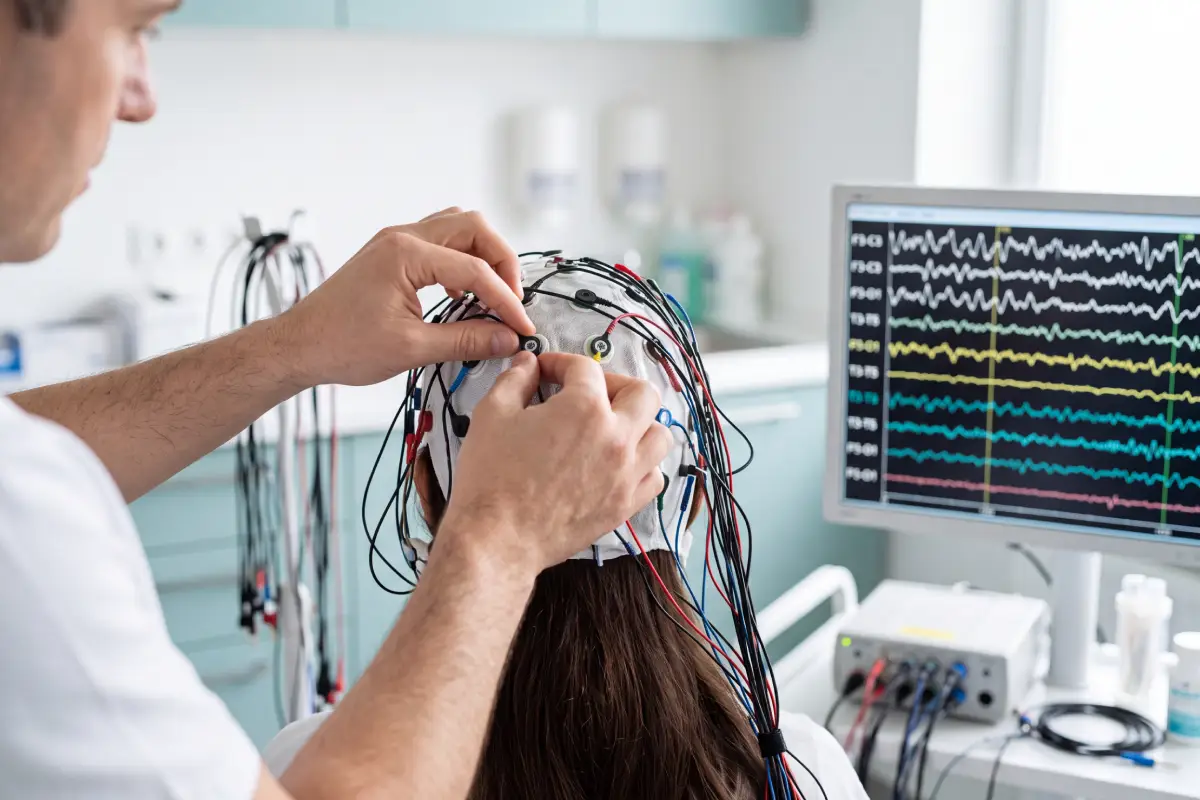
A neurology specialist examination is a specialist medical examination used to assess the health of the central and peripheral nervous systems. A neurologist diagnoses, treats, and monitors disorders of the brain, spinal cord, nerves, and muscles, as well as various neurological conditions that may affect a patient’s daily functioning.
During the examination, the neurologist discusses the patient’s symptoms and medical history, performs a detailed neurological assessment, and, if necessary, recommends additional diagnostic tests or appropriate treatment.
A neurology specialist examination is most commonly recommended for:
A timely neurological examination can be very important for the early detection of neurological disorders and preservation of quality of life.
At Belgrade Polyclinic, examinations are performed by experienced neurology specialists with a professional, individualized approach and modern diagnostic methods, with the aim of establishing an accurate diagnosis and determining the optimal treatment.
A neurology specialist examination is a specialist medical examination used to assess the health of the central and peripheral nervous systems. A neurologist diagnoses, treats, and monitors disorders of the brain, spinal cord, nerves, and muscles, as well as various neurological conditions that may affect a patient’s daily functioning.
During the examination, the neurologist discusses the patient’s symptoms and medical history, performs a detailed neurological assessment, and, if necessary, recommends additional diagnostic tests or appropriate treatment.
A neurology specialist examination is most commonly recommended for:
A timely neurological examination can be very important for the early detection of neurological disorders and preservation of quality of life.
At Belgrade Polyclinic, examinations are performed by experienced neurology specialists with a professional, individualized approach and modern diagnostic methods, with the aim of establishing an accurate diagnosis and determining the optimal treatment.
A neurological specialist examination is recommended when there are symptoms that may indicate disorders of the nervous system. A timely examination enables the identification of the causes of symptoms and the determination of an appropriate treatment approach.
The most common symptoms and reasons for a neurological examination include:
A neurological examination may also be recommended when symptoms persist for a longer period, recur, or appear suddenly, in order to establish an accurate diagnosis and begin appropriate treatment.
At Belgrade Polyclinic, examinations are performed by experienced neurology specialists with a professional, individualized approach and modern diagnostic methods, with the aim of preserving nervous system health and improving patients’ quality of life.
Specialist Doctor Examination

Cash - directly before the procedure
Via a dinar or foreign-currency account
RIA, Western Union or MoneyGram
A neurological examination includes a conversation with the patient, analysis of symptoms and medical history, as well as an assessment of nervous system functions through a detailed clinical examination.
A neurological examination is recommended for headaches, dizziness, numbness, weakness, balance problems, changes in speech, memory issues, or other symptoms related to the nervous system.
During the first examination, the neurologist discusses the patient’s symptoms, duration of complaints, and previous medical conditions, after which a neurological examination is performed and recommendations for further steps are provided.
Special preparation is generally not required. It is recommended that the patient bring previous medical records, test results, and a list of medications they are currently taking.
A neurologist is involved in the diagnosis and monitoring of various conditions such as headaches, migraines, balance disorders, nerve disorders, movement disorders, consequences of stroke, and other neurological conditions.
Yes. After the examination, the neurologist may recommend additional diagnostic methods, such as imaging, laboratory tests, or other specialist examinations, if considered necessary.
The duration of the examination depends on the patient’s symptoms and the complexity of the health condition. On average, the examination lasts between 20 and 40 minutes.
Yes. Occasional symptoms, such as recurring headaches, dizziness, numbness, or short-term neurological disturbances, may require professional assessment.
The sudden appearance of weakness on one side of the body, speech difficulties, sudden vision problems, loss of consciousness, or a sudden severe headache requires urgent medical evaluation.
Would you like to book an appointment or consult with us? Contact us via Viber or WhatsApp 24/7.

The best aesthetic surgeons in Serbia and the region.
The most affordable surgery prices.



Links
Services
Services
Our partners
Prijatelji sajta